
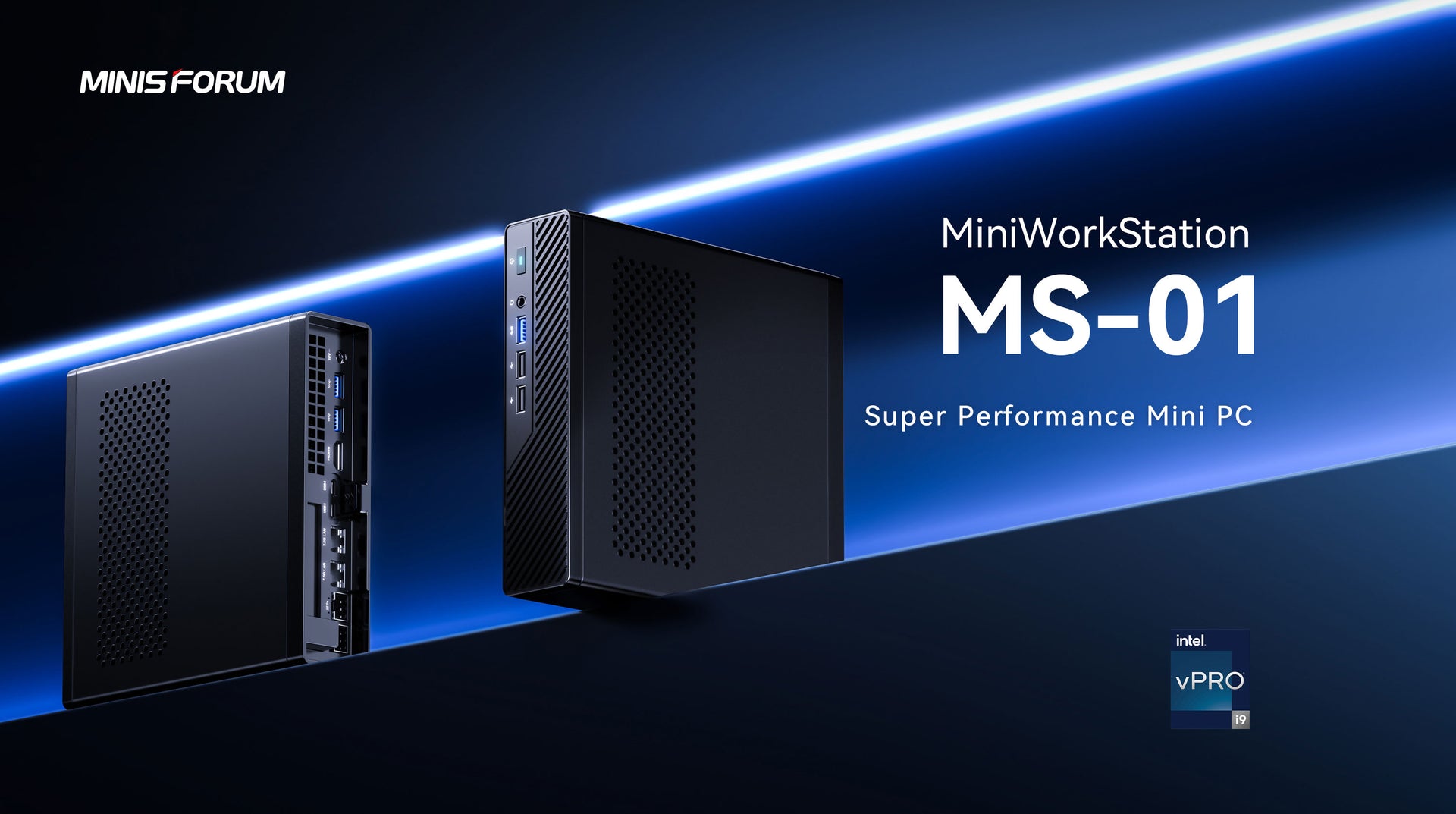
The fair starting point is that the Intel i226-V is not a Minisforum-authored silicon problem. It is a chip Intel designed, released, marketed as the successor to the mass-produced i225-V, and has quietly revised multiple times. The homelab, virtualization and router communities discovered its issues the way these things are always discovered: by buying it, installing it, and watching links go down for no reason they could diagnose. A mid-2023 OPNsense forum thread framed the behaviour plainly: the NIC goes down at random intervals, without an obvious trigger, on a mainline router OS. Intel had shipped a design that could not keep a link up under normal conditions.
What follows is not a story about that silicon. It is a story about what a hardware vendor chose to do once the silicon’s reputation was public.
The Intel i226-V documentation that was already there
By the time Minisforum launched the MS-01 in early 2024, the i226-V had three years of community evidence against it across at least three categories:
Dropped links. OPNsense forum threads from 2023 onward documenting sudden link loss under otherwise ordinary traffic.
Asymmetric throughput. A Proxmox forum thread specifically studying MS-01 i226-V ports found that, with identical test harnesses, the same physical link could run near gigabit in one direction and drop into tens of megabits in the other, a pattern consistent with ASPM-related driver bugs and hardware-level flow-control misbehaviour.
Driver availability. An XCP-ng forum thread documented that on certain hypervisor distributions the card simply refused to perform at rated 2.5 Gbps speeds without manual ASPM-disable workarounds; a later Proxmox 9.x thread went further, describing MS-01 users whose i226-V interfaces refused to come up at all on a modern kernel.
None of this was secret. Any hardware sourcing engineer at Minisforum with a browser could have opened these threads on the day they decided to tape out the next product revision.
What Minisforum did with the information
The MS-01 shipped with the i226-V. That is defensible on cost grounds: Intel’s pricing advantage over alternate 2.5GbE silicon like Realtek RTL8125B or Aquantia-derived AQC113 parts is real, and at launch the product may not have been committed to long enough to swap the NIC. It becomes less defensible as the MS-01 ages and the forum evidence stacks up without a vendor response that goes beyond “try disabling ASPM.”
The part that is hard to read charitably is the MS-A2. Launched in 2025 as the AMD-centric successor to the MS-01, the MS-A2 had every opportunity to pick a different 2.5GbE controller. It didn’t. The ServeTheHome MS-A2 review notes that the chassis now requires three different NIC drivers (Intel i226 for 2.5GbE, a Realtek for the second 2.5GbE, and an Intel X710 for the 10GbE SFP+), a bill of materials that reflects an ongoing decision to take the i226-V again even with another year of community evidence against it.
The product page does not warn buyers. The spec sheet lists “2.5 Gigabit Ethernet” as though the only variable worth communicating were the line rate. It is not. The variable most likely to affect buyers is whether the link stays up under load on their specific hypervisor kernel, and on the MS-01 and MS-A2 alike, the answer for some buyers is “no,” with a workaround that involves editing kernel parameters to turn off power management features the NIC was marketed with.
Related: the MS-01’s factory thermal paste problem and the Raptor Lake instability that also hit the MS-01.
What buyers are actually doing
The pragmatic homelabber reads the threads, budgets a few hours the first weekend to patch the interface, disables ASPM on PCIe slots, updates to the latest Intel driver, and moves on. That workflow works. It is also work a customer did not sign up for when they spent seven to nine hundred dollars on a product whose marketing is “Ethernet that is ready out of the box.”
The less-pragmatic buyer opens a support ticket, gets pointed at an Intel driver, follows the steps, sees the problem recur a week later, and eventually decides that their box is fine on their home router and they will simply not use the 2.5 GbE port for anything that matters. That’s the quiet outcome, the one that never shows up in Trustpilot because nothing visibly “failed.” The port just became a ghost feature the customer stopped trusting.
The story here is not that Intel shipped a bad NIC. The story is that Minisforum kept shipping a known-bad NIC across two product generations, in full awareness of the community record, and continues to market 2.5GbE capability without disclosing the compatibility footnote that every forum administrator already knows. A mini-PC company can’t fix Intel’s silicon. It can choose to stop selling it. On the MS-01 and MS-A2, twice, the choice went the other way.